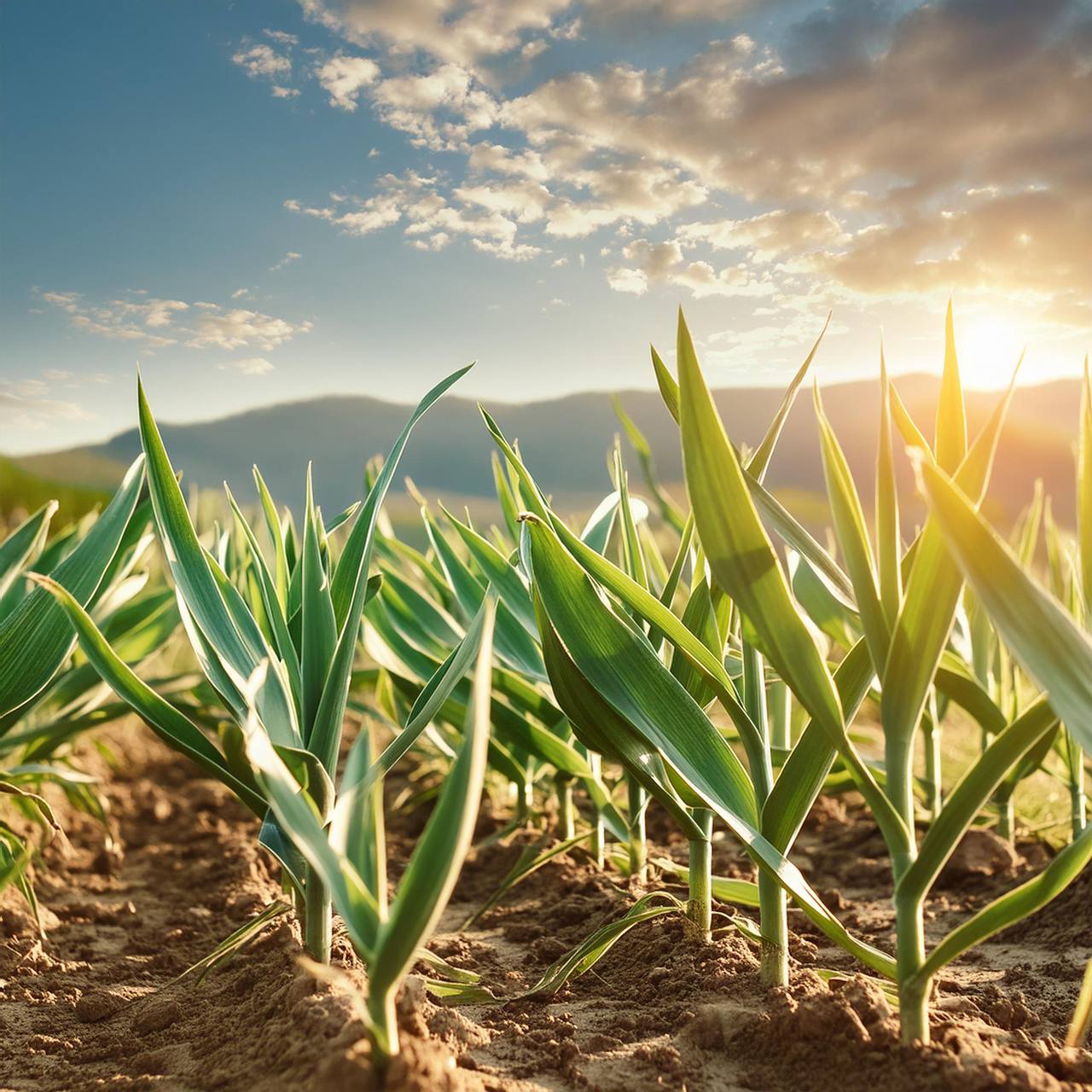
One of the factors that can be most detrimental to plant condition and productivity is stress. This is produced as a consequence of some environmental change in the crop environment, which could provoke physiological changes that could damage the plant. To help the crop and solve this type of problems, one of the best solutions are amino acids for plants.
What are amino acids?
When it comes to supplementing plant nutrition, one of the best options in the field of biostimulants are amino acids for plants. These organic molecules are mainly composed of nitrogen, oxygen, hydrogen and carbon.
Thanks to them, plants get an extra supply of energy and can more easily overcome stressful situations such as drought, frost or low root growth. In short, amino acids for plants help to boost crop production and growth.
We must also take into account that one of the main trends in agriculture today is the demand for more ecological and sustainable crops, i.e. a greater demand for natural products instead of those manufactured by chemical processes. This positions amino acids for plants as one of the best products to help the crop while reducing the environmental impact.
Amino acids in plants
Amino acids for plants play a major role in a multitude of plant reactions, contributing greatly to their correct development and growth, as well as to the production of hormones.
Traditionally, they have been seen as a solution to external plant problems such as pest attacks or extreme temperatures. However, nowadays amino acids for plants are also used in critical moments such as before fruit set and flowering, during rooting or during fruit fattening. In this way, they are a product that can boost crop production and improve results in the most difficult stages.
Another issue that has surrounded amino acids for plants for some decades is the energy expenditure required to produce them. This is because the plant organism, like other living beings, needs energy to transform food into amino acids. Therefore, the question arose as to how to improve the presence of these elements in plants in a more efficient way. The solution is based on products that can be applied externally, complementing those produced by the crop itself.
Benefits of amino acids in crops
We can find numerous benefits in amino acids for plants. Some of the main ones are:
- Improve nutrition with lower energy expenditure.
- Stimulates flowering and fruit set.
- Improves the condition and properties of the crop soil.
- Provides nitrogen
- Helps to improve fruit size and coloring
- It increases plant resistance and helps to overcome some problems such as stress situations.
- Increases nutrient absorption
Ways to apply amino acids: irrigation or foliar application.
Like many other fertilizers and agricultural products, amino acids for plants can be applied by irrigation or foliar application. foliar application.
In case the objective is to enhance the roots, application through irrigation is likely to provide better results. However, if you are looking to improve flowering and fruit set, foliar application is the most optimal way. Also, if you use this method, you should keep in mind that it is best to apply early or late in the day, as during the rest of the day, high levels of sunlight may hinder absorption.