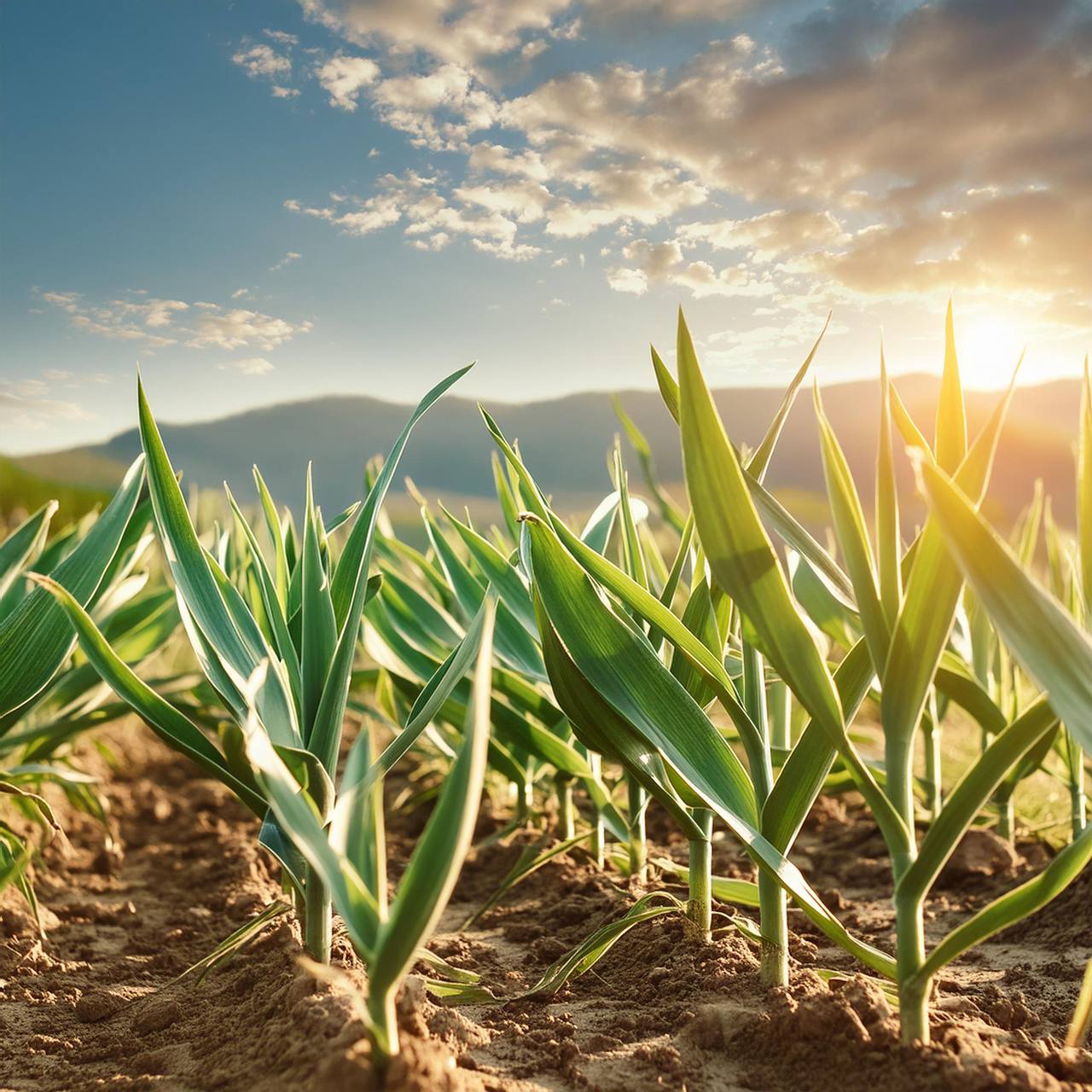
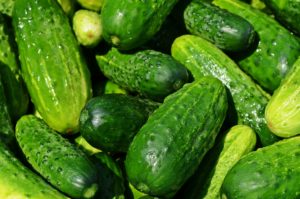
Cucumber is a food that has been cultivated and worked in agriculture for thousands of years. Specifically, its origin is found in Asian regions, from which it spread throughout the world, being today one of the most popular vegetables in many countries. In addition, new agricultural techniques have led to the spread of cucumber cultivation in greenhouses.
Therefore, in today's post we show you some of the keys to its production using this system so widely used in some areas. In this sense, cucumber is grown mainly in the regions of Granada, Murcia and Almeria. Thanks to this, Spain is among the three countries of the European Union that provide more cucumber production.
Climatic conditions for cucumber cultivation in greenhouses
One of the most important aspects when growing cucumbers is the climatic conditions in which they are grown. Thus, to achieve the highest productivity and ensure the well-being of the plant, optimal conditions are needed. Mainly, we must ensure that the temperature is approximately between 20-28 degrees. On the other hand, it is recommended that humidity levels range between 50% and 80%.
Crop soil
Another aspect of great importance is the state of the soil. One of the most important points here is the issue of salinity. Cucumbers do not need any extreme salinity values, but reach their best state with a medium salinity. On the other hand, it is also of vital importance to plant them in a well-drained soil. In addition, using a good fertilizer will help its correct development.
Pruning
The pruning can help the yield of cucumber crops in greenhouses to be much higher. Among other benefits we find that, firstly, it helps contribute to a better presentation of the fruit. Secondly, pruning allows the plant to receive more light and ventilation, which favors its development. In addition, it can also contribute to regulate harvest cycles.
Irrigation
Cucumber irrigation in greenhouses is conditioned by a series of factors such as the irrigation system itself or the quality of the water to be used.
However, what we know for sure is that cucumber is a vegetable with high water requirements. For this reason, drip irrigation is one of the most optimal, since it minimizes waste, although attention must be paid to the salinization salinization.
Fertilizers
Like any other plant, cucumber can benefit from the extra supply of nutrients and essential elements from fertilizers. fertilizers. In this sense, we must pay special attention to ensure that the plant has adequate levels of nitrogen as it is among its main nutrients.
However, if you have doubts about which is the best solution for your cucumber greenhouse crop, the best thing to do is to contact our team of expertswho will help you with no obligation.