Almond blossom is one of the most critical stages of the crop, since it will determine the quality and final production. However, due to the winter dates in which it occurs, there is a risk of inclement weather related to frost or torrential rains.
In this article we analyze 3 best techniques to avoid blossom drop in almond trees and all the points where we can intervene to contribute to a perfect blossom and a higher production of freshly set almonds.
Critical moments during the flowering process
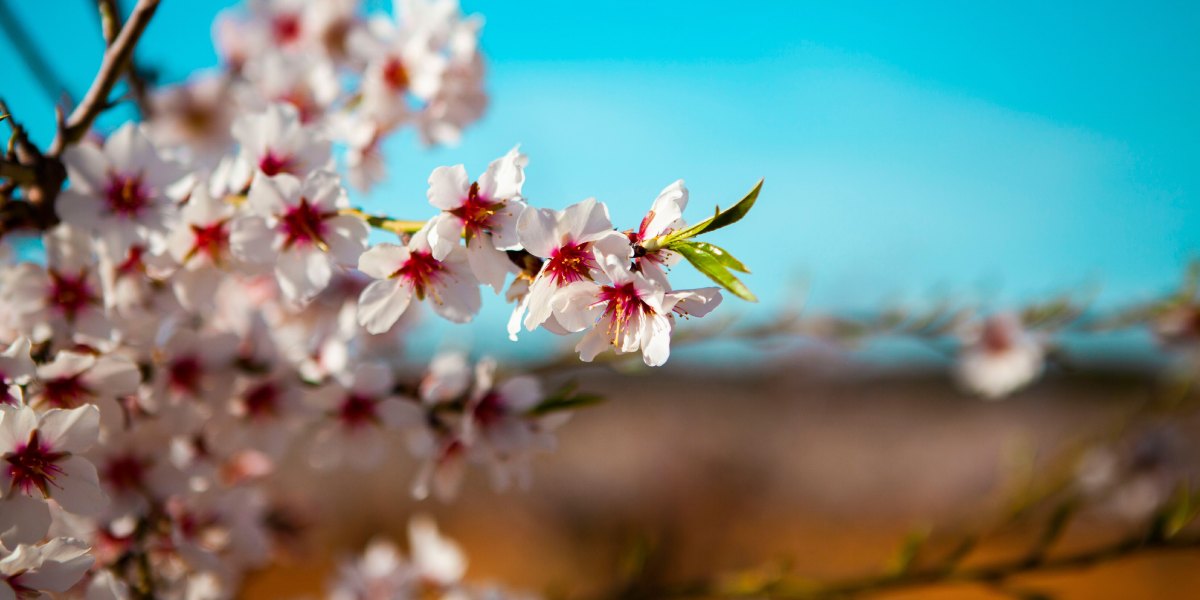
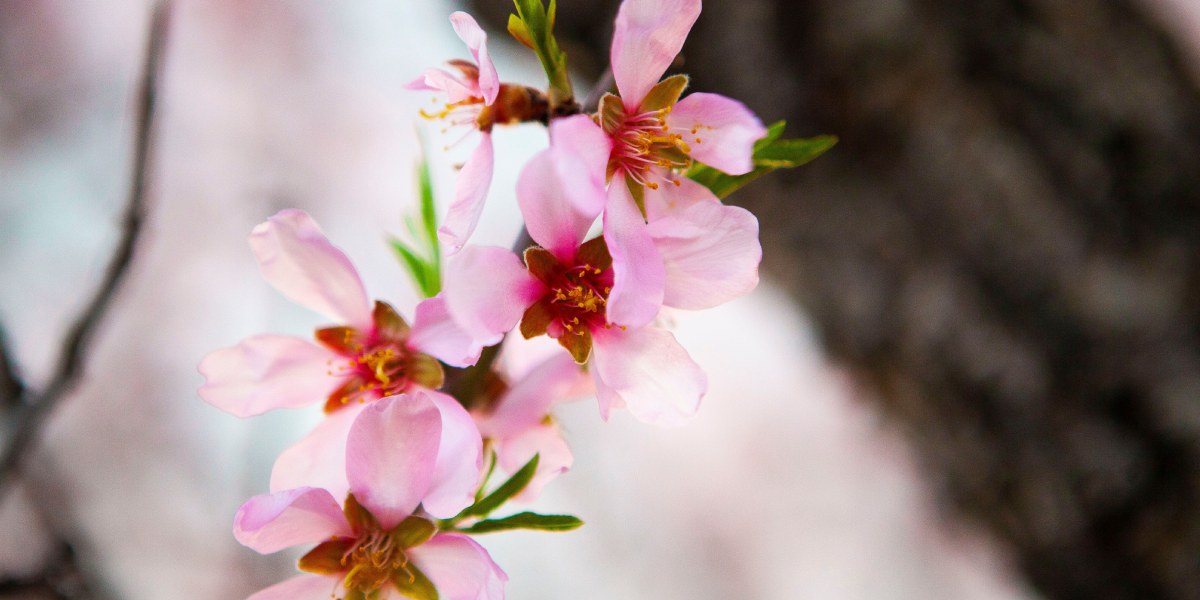
The flowering of fruit trees, especially almond trees, is one of the great attractions of the production areas, attracting a multitude of curious onlookers who wish to contemplate the spectacular sight of hundreds of trees full of white or pink flowers.
From an agronomic point of view, this is a key moment to guarantee a good production at the end of the season (August-September), since having a large number of flowers does not always translate into a high fruit production. At this stage, the homework from the previous season must have been well done, applying nutritional correctors post-harvest to ensure a good accumulation of reserves before the coming flowering.
Although the most important condition for a correct flowering and to avoid its precipitous fall is to avoid the risk of frost and to have good lighting, there are other conditions with a greater magnitude of control on our part.
In any case, we must always choose the best variety of almond tree depending on the planting area, since each variety offers a different behavior, with a percentage of fertilized flowers between 10 and 40% of the total.
3 best techniques to prevent blossom drop in almond trees
1. Choosing the right variety depending on weather conditions.
In very cold conditions, the flowers are one of the parts most vulnerable to freezing, precipitating their abortion or fall without having been previously fertilized.
Even in the absence of frost, if temperatures are quite low, the pollen tube can take up to twice as long to reach the ovary, which significantly reduces the percentage of fruit set.
On the other hand, in the case of traditional self-incompatible varieties, wind conditions are particularly important to ensure adequate flight of pollinating insects.
2. Maintain proper tree health.
Humid conditions and mild temperatures favor the spread of different fungal diseases that can affect flowering and fruit production.
Therefore, it is essential to apply products for the prevention and control of fungal diseases that may affect flowering, as well as to prevent the appearance of insects (such as aphids) that cause weakening of the crop, starting from the movement of the flower bud (before the flowers come out).
3. To provide stimulants related to flower quality and pollination.
This work begins at the end of the previous season. The number of flowers produced by the almond tree is a condition subject to the productive period of the previous season. The floral differentiation and, therefore, the number of future flowers, is carried out in the summer months of the previous season.
Therefore, it is essential to provide adequate nutrition to the almond crop and to finish the season having corrected all the nutritional deficiencies of that same year. In this way, sprouting and future flowering will be carried out with sufficient volume.
Even with an adequate nutritional balance, the almond tree is very sensitive to physiological changes. Pollen quality and flower viability are subject to the presence of substances known as phytohormones, which have a direct action in very small concentrations on the quality of flowering.
Therefore, it is common to use different biostimulants that act directly on sprouting and flower quality, increasing the percentage of viable flowers and fruit set.
In short: How to get flowers to pollinate and produce fruit?
In summary, from the above we are left with the key points to consider when it comes to achieving a spectacular flowering and a good number of fruit set. Some we have practically no control over (such as climate), but others are directly influenced by the way we manage the crop.
- Choose almond tree varieties adapted to our geographical area: in cold areas we should look for late varieties to avoid frost problems.
- Maintain a correct plant health of the tree: we will carry out preventive or curative treatments in the presence of fungi and insects that may affect the quality of flowering.
- Provide all the nutrients the crop needs: with proper nutrition, the almond tree will maintain sufficient reserves to guarantee a remarkable production and quality of flowering. At this point we also include the use of biostimulants that regulate plant physiology and improve pollen viability, pollination and fertilization.